November 9, 2026
Hard water is a widespread household challenge characterized by elevated levels of dissolved minerals, primarily calcium and magnesium. While these minerals are invisible to the eye, their cumulative impact on residential infrastructure across the U.S. is significant. Over time, mineral-heavy water causes scale to adhere to pipe interiors, heating elements, valves, and mechanical components. Left unaddressed, this accumulation constricts water flow, accelerates equipment wear, diminishes energy efficiency, and leads to premature mechanical failure.
1. Durable Plumbing Infrastructure
Prevent Limescale Accumulation
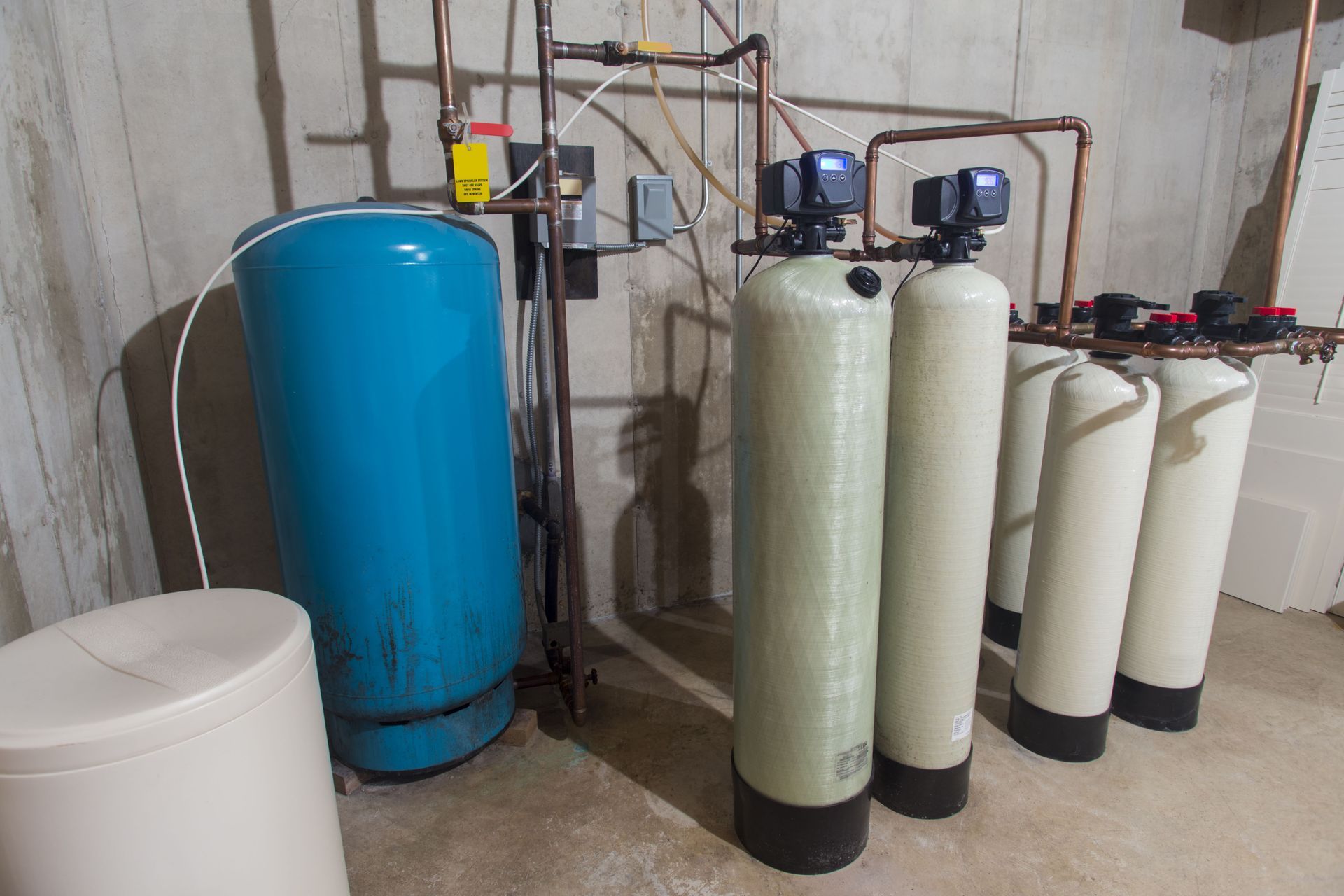
The primary hazard of hard water within plumbing lines is the gradual formation of limescale. As calcium and magnesium precipitate out of hard water, they adhere to the inner walls of pipes, forming a chalky, rock-like crust. Over years of use, this layer thickens, constricting the internal diameter of supply lines throughout homes in the United States. A local water softening system replaces these hardness ions through ion exchange, ensuring that water traveling through your distribution lines remains free of the compounds responsible for scale deposition. Keeping pipes clear maintains design capacity and prevents structural blockages.
Preserve Consistent Water Pressure and Flow
When scale deposits constrict pipe interiors, the natural consequence is diminished water flow and erratic pressure. Homeowners often notice this drop when multiple fixtures operate simultaneously, such as running a shower while the washing machine fills. By preventing the narrowing of supply lines and stopping sediment buildup in pipe elbows and junctions, softened water ensures consistent water velocity and stable operating pressure across every tap and fixture in the home. Maintaining open lines eliminates unnecessary strain on the entire distribution network.
Shield Valves and Pipe Joints
Mineral scale is abrasive and prone to collecting around pipe joints, shut-off valves, and threaded connections. When valves become encrusted with scale, they can seize or fail to close fully during an emergency shutoff. Softened water keeps mechanical valve seats, check valves, and soldered or threaded fittings clean, reducing stress on structural connections and mitigating the likelihood of pinhole leaks caused by localized buildup. Protecting these critical junctions preserves the overall integrity of residential piping.
Mitigate Costly Plumbing Repairs
Plumbing repairs often involve invasive, expensive labor, particularly when dealing with concealed lines behind drywall or under subfloors. Hard water exacerbates repair frequency by promoting blockages and stressing joints. Eliminating excess mineral hardness protects the integrity of the plumbing infrastructure, significantly lowering the frequency of emergency plumbing calls and extending the overall usable life of the system. According to HomeGuide, a quality water softener can last 15 to 20 years with proper maintenance. Investing in reliable equipment delivers durable defense against routine breakdown expenses.
2. Efficient Water Heater Performance
Eliminate Tank and Element Scaling
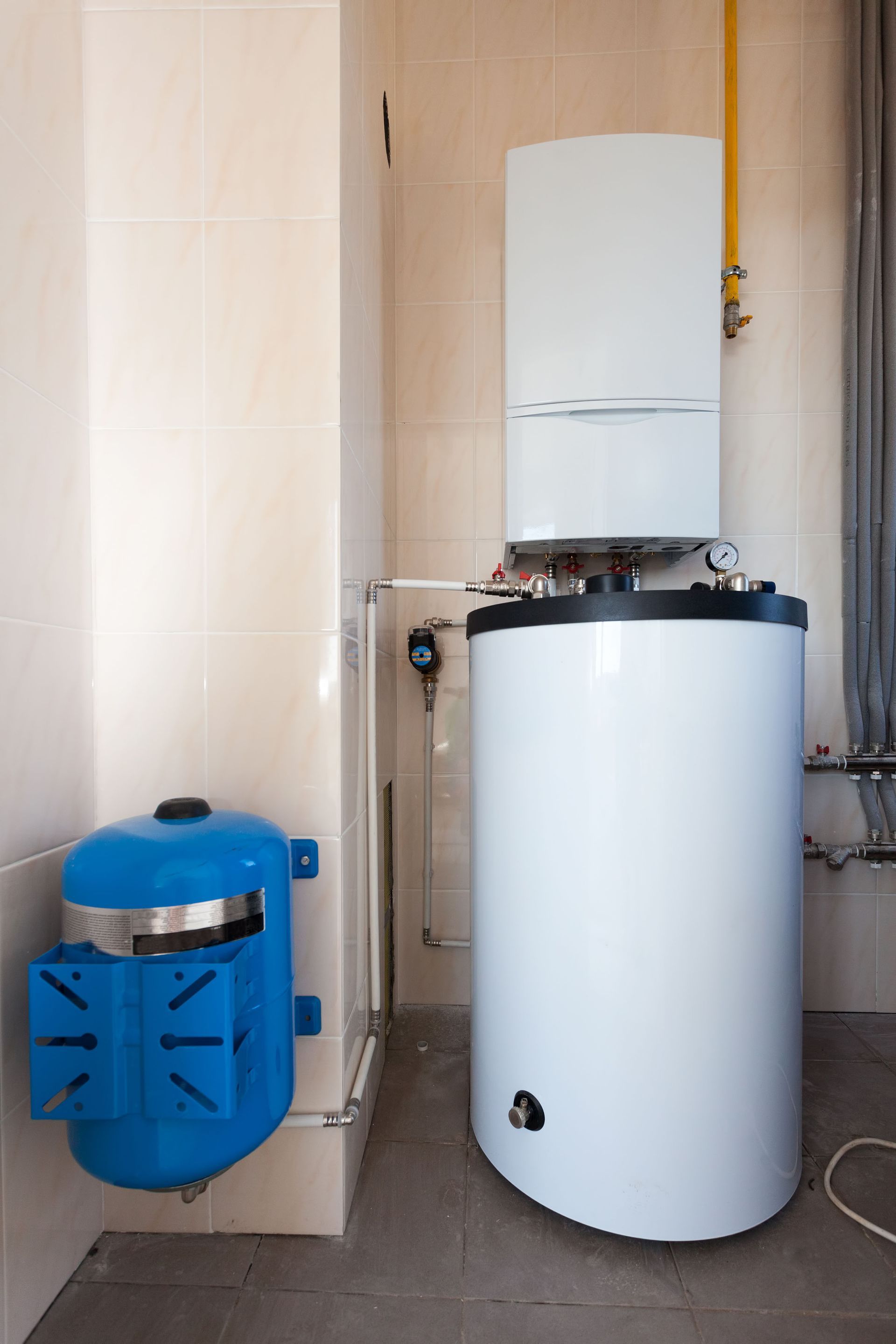
Water heaters are especially susceptible to hard water damage because heat accelerates mineral precipitation. In conventional tank models, calcium and magnesium settle at the bottom as a dense layer of sediment; in tankless units, scale coats the narrow channels of the heat exchanger. Electric heating elements can become completely encased in a mineral shell. Operating a local water softening system prevents this sediment blanket from forming, keeping heating surfaces directly in contact with water for optimal thermal conduction. Consistent thermal transfer prevents unnecessary strain on primary heating assemblies.
Restore Energy Efficiency and Lower Operating Costs
Limescale serves as an unintended thermal insulator. When a heating element or heat transfer plate is coated in scale, the heater must run longer and draw significantly more power or gas to bring the water to the designated temperature. By eliminating scale accumulation, conditioned water allows water heaters to operate at factory-rated efficiency. This directly prevents wasted energy and helps stabilize monthly utility expenses. Sustained thermal performance keeps fuel consumption predictable throughout every season.
3. Spotless Dishwashers and Fixtures
Keep Spray Arms and Jets Unclogged
Dishwashers rely on high-pressure water forced through miniature spray arm nozzles to scrub dishes. Hard water leaves mineral deposits in these openings, restricting rotation and spraying unevenly. Integrating a local water softening system keeps spray nozzles clear of mineral crust, maintaining the necessary pressure and water dispersion patterns for effective wash cycles. Clean internal pathways guarantee that wash water circulates freely during every cycle.
Improve Detergent Performance and Eliminate Film
Hard water minerals chemically react with detergents, neutralizing cleaning agents and forming an insoluble curd instead of a rich lather. This reaction leaves cloudy films and spots on glassware, flatware, and interior dishwasher tubs. Soft water allows detergents to dissolve completely and work as intended, meaning you achieve spot-free dishes using significantly less detergent per load. Enhanced solubility ensures that plates and cutlery emerge immaculate after single cycles.
Preserve Internal Pumps and Seals
The internal seals, gaskets, and drain pumps inside modern dishwashers are vulnerable to mineral abrasion. Grit and scale erode rubber gaskets over time, leading to leaks beneath the unit, while scale on pump impellers can cause motor failure. Softened water keeps seals supple and free of abrasive grit, protecting internal mechanical components from early wear. Prolonging component flexibility prevents sudden mechanical shutdowns and expensive service visits.
4. Reliable Washing Machine Efficiency
Protect Solenoid Valves and Drum Mechanics
Washing machines regulate water intake through delicate electronic solenoid inlet valves. When minerals accumulate around the valve screens and diaphragms, the valves may fail to open or shut completely, creating slow fills or potential overflow hazards. A local water softening system ensures that inlet screens and internal distribution manifolds remain clear of mineral scale. Unobstructed valves permit rapid filling and exact cycle timing.
Enhance Detergent Solubility and Fabric Longevity
Similar to dishwashers, clothes washers require conditioned water for detergents to lather and rinse clean. Hard water traps detergent residues inside fabric fibers, leaving clothes feeling stiff, looking dull, and wearing out prematurely. Conditioned water rinses cleanly out of fabrics, resulting in softer laundry, brighter colors, and reduced chemical consumption per wash cycle. Gentle treatment preserves the weave and texture of expensive garments over time.
5. Protected Secondary Household Appliances
Prevent Aerator and Clogging
Faucet aerators and showerheads are designed with fine mesh screens and precision orifices to control spray patterns. Hard water leaves chalky white deposits around shower nozzles and inside sink aerators, resulting in erratic spray angles and choked pressure. Soft water keeps aerators free-flowing, eliminating the need to repeatedly soak fixtures in vinegar or harsh descaling acids. Unrestricted flow maintains optimal spray patterns across every bathroom and kitchen tap.
Protect Coffee Makers and Small Beverage Appliances
Countertop appliances such as drip coffee makers, espresso machines, and electric kettles pass heated water through narrow internal capillary tubes. Hard water scale rapidly coats these pathways, leading to slow brewing cycles, reduced water temperatures, and frequent system errors. Running a local water softening system dramatically cuts down on descaling cycles, preserving internal heating elements and maintaining consistent brewing performance. Protecting internal heating blocks ensures clean operation for sensitive morning appliances.
Protect Refrigerator Water Lines and Ice Makers
Modern refrigerators with built-in water dispensers and automated ice makers use small-diameter plastic tubing and miniature solenoid valves. Mineral accumulation can clog water lines, freeze over fill tubes, and cause ice makers to produce small, deformed, or cloudy ice cubes. Using softened water safeguards these delicate lines against scale blockage, promoting dependable ice production and smooth dispenser operation. Clean tubing ensures steady volume and pristine ice clarity throughout continuous operation.
Investing in a custom local water softening system is an essential step toward shielding your plumbing network, prolonging appliance lifespans, and keeping your household running at peak efficiency. Because mineral concentration and water quality differ across North Dakota and Western Minnesota, long-term protection relies on hardware calibrated specifically to regional conditions. High Plains Water and Sewer delivers targeted treatment systems installed by licensed professionals to ensure reliable, lasting performance. Contact our team to learn more about safeguarding your home with dependable water softening solutions.